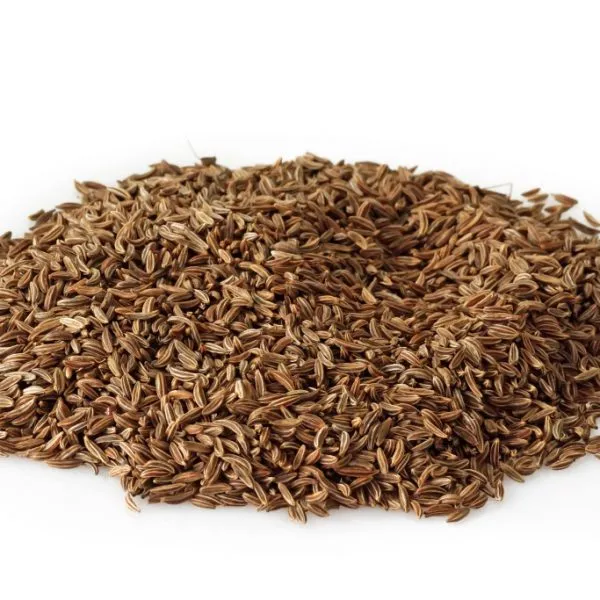
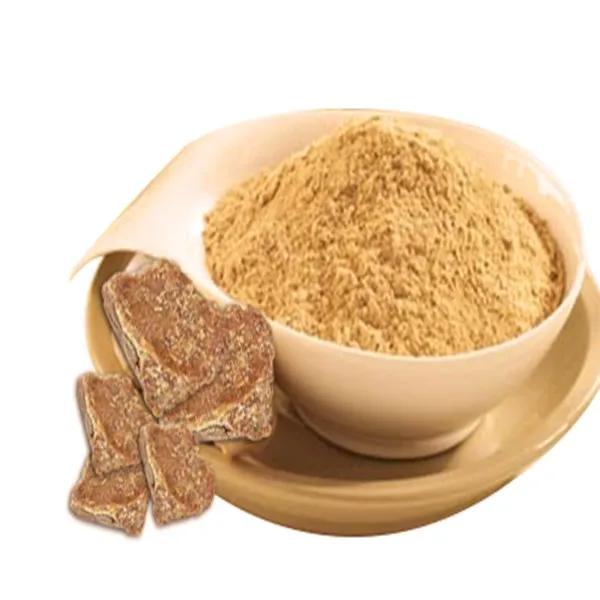
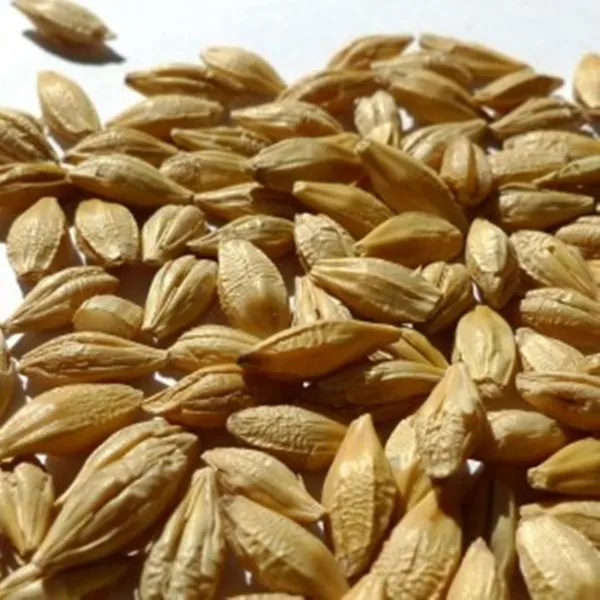
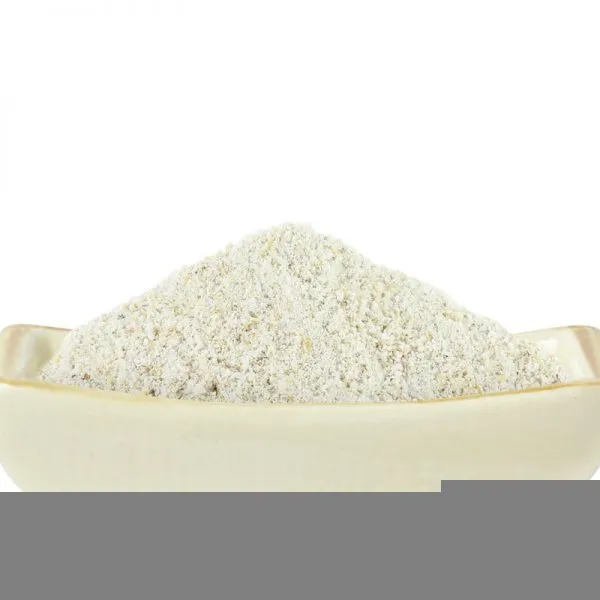
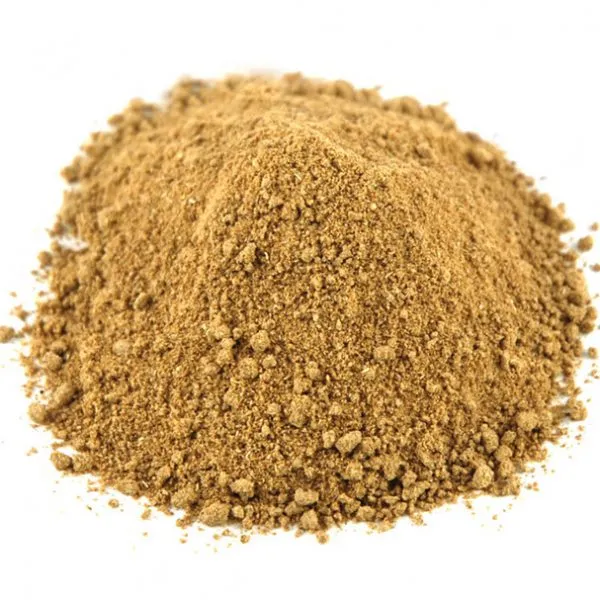
Amber seed has a unique and complex aroma, often described as musky, earthy, and sweet. It is widely used in the perfume industry as a fixative to enhance the longevity and diffusion of fragrances. Due to its scarcity and high demand, amber seed is considered a luxury ingredient. Its use dates back centuries, and it continues to be highly prized today.
Due to its potent flavor, only a small amount of asafoetida is needed to add depth and complexity to dishes. In traditional medicine, it is believed to have numerous health benefits, including anti-inflammatory and antimicrobial properties. However, scientific research on these claims is limited. Asafoetida can be found in both powdered and resin forms and is typically added to hot oil or ghee before being incorporated into recipes.
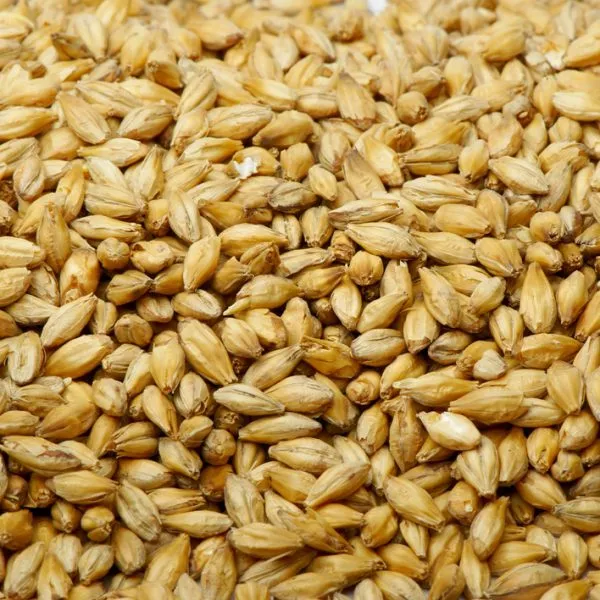
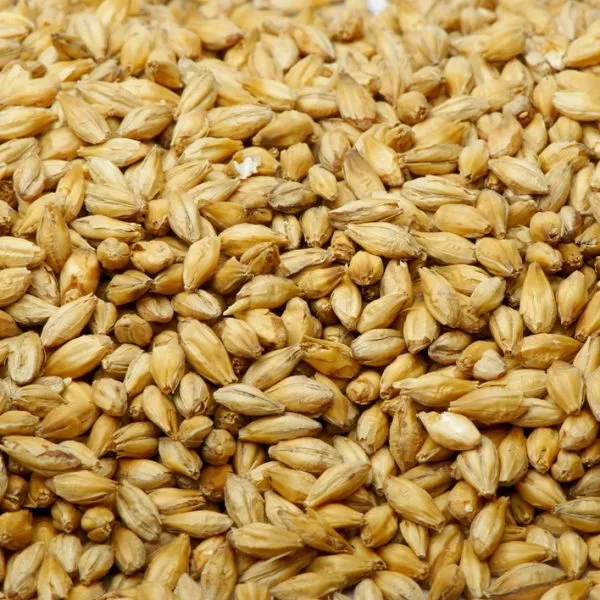
Additionally, it can be used as an ingredient in various food products, such as bread, cereals, and snacks, to enhance their nutritional profile. Barley bran is a versatile and nutritious addition to a balanced diet, supporting overall well-being.
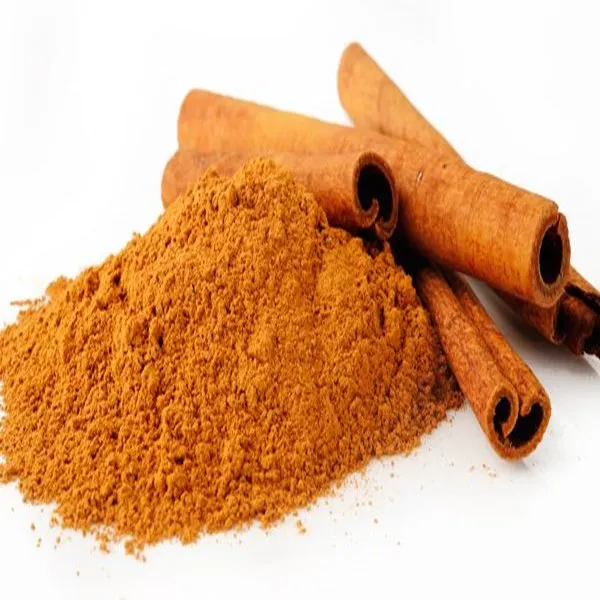
Ceylon cinnamon has a delicate and slightly citrusy flavor, while Cassia cinnamon has a stronger and more intense taste. Besides its culinary uses, cinnamon also has potential health benefits, including anti-inflammatory and antioxidant properties. It may help regulate blood sugar levels, improve digestion, and boost brain function.
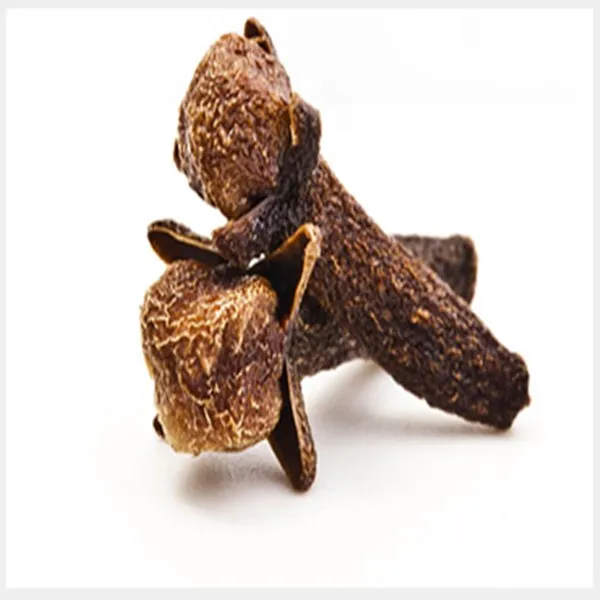
Cloves can be used whole or ground, and they are commonly found in spice blends such as garam masala and pumpkin spice. They pair well with other warm spices like cinnamon and nutmeg, as well as with fruits like apples and oranges. Cloves are also a key ingredient in pickling spices and mulled wine.
Fennel seeds are small, oval-shaped seeds derived from the fennel plant, scientifically known as Foeniculum vulgare. These seeds have a distinct licorice-like flavor and are commonly used as a spice in various cuisines around the world. Fennel seeds are highly aromatic and have a slightly sweet taste.
Fenugreek is also known for its numerous health benefits. It is rich in vitamins, minerals, and antioxidants that contribute to its medicinal properties. It has been traditionally used to improve digestion, reduce inflammation, boost milk production in breastfeeding mothers, regulate blood sugar levels, promote weight loss, and enhance libido. Fenugreek can be consumed in various forms such as capsules, powders, teas, or added directly to food preparations. However, it is important to note that fenugreek may cause allergic reactions in some individuals and may interact with certain medications. Therefore, it is advisable to consult a healthcare professional before incorporating fenugreek into your diet or using it for medicinal purposes.
Garam masala adds depth and complexity to dishes, enhancing their flavor profile. It is commonly used in curries, stews, and marinades. The exact composition of garam masala can vary depending on regional preferences and personal taste. Its rich aroma and distinct taste make it a staple in Indian cooking.
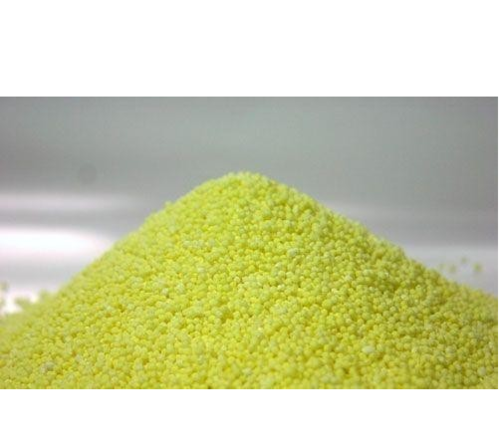
Granular sulphur is a form of elemental sulphur that is processed into small, granular particles. It is commonly used in various industries for its diverse applications. Granular sulphur is primarily produced through the Claus process, which involves the extraction of sulphur from natural gas or crude oil. The extracted sulphur is then melted and solidified into granules of different sizes.
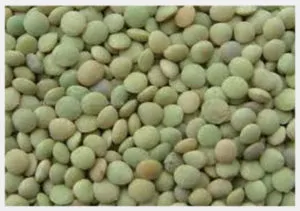
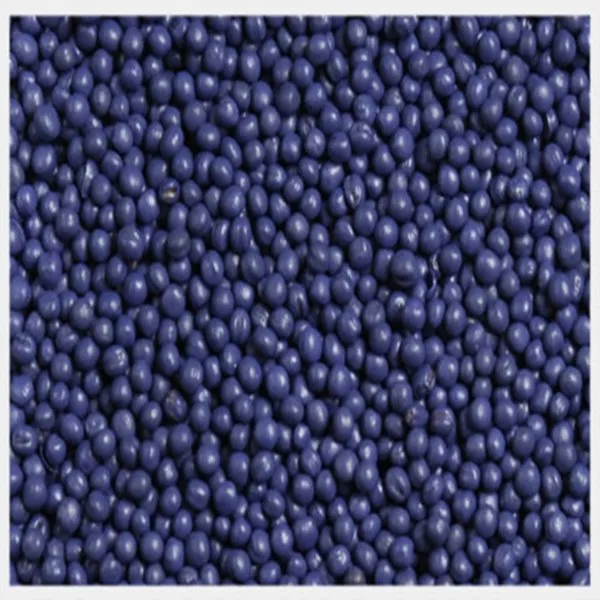
Lentils are commonly used in soups, stews, salads, and side dishes worldwide, contributing to healthy and satisfying meals. Their versatility, affordability, and health benefits make them a popular choice for vegans, vegetarians, and anyone seeking a wholesome and delicious plant-based protein source.
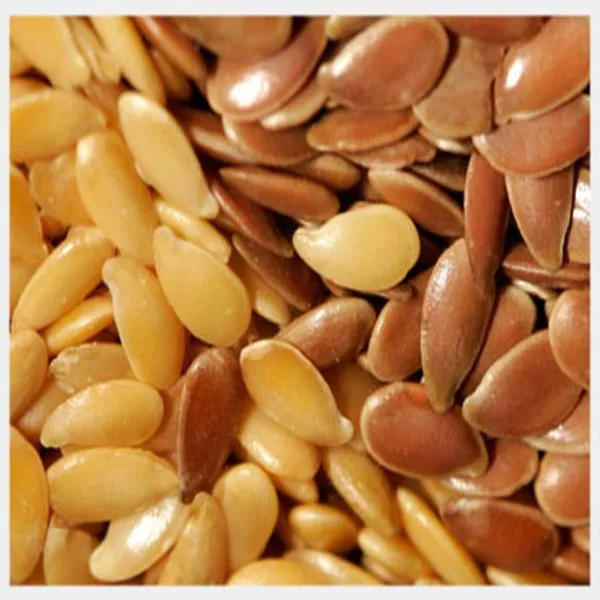
Linola seed is a good source of other nutrients, including protein, fiber, and lignans. Lignans are plant compounds that have been shown to have a number of health benefits, including reducing the risk of cancer and heart disease.
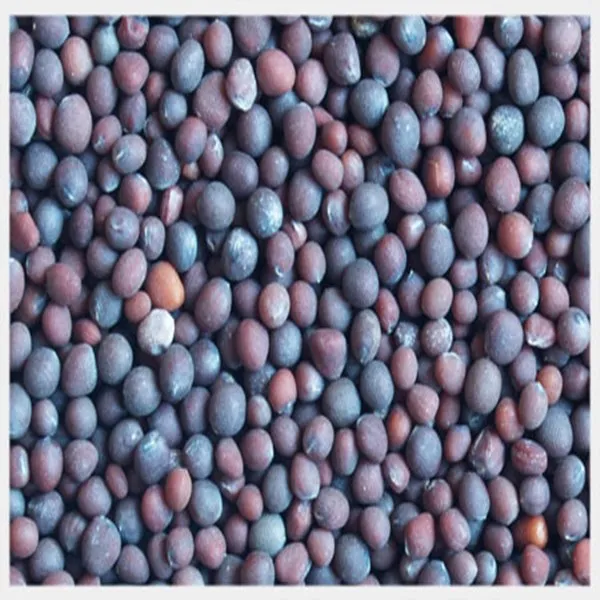
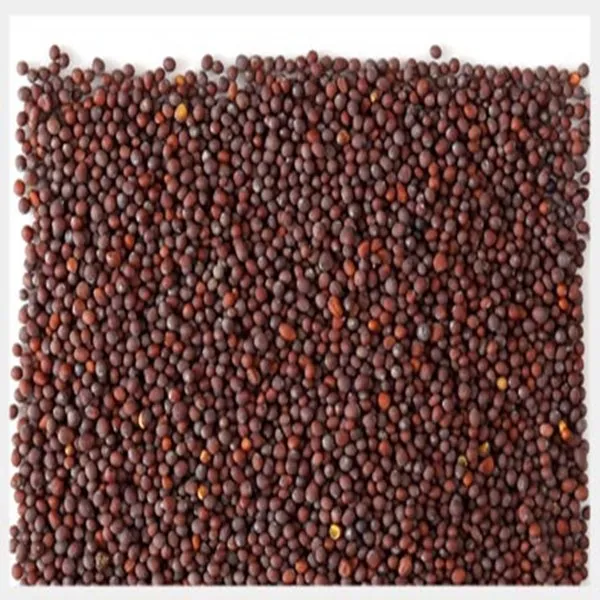
Mustard seeds are often ground into a powder or used whole in pickling, marinades, dressings, and sauces. They are also used to make mustard oil, which is widely used in cooking and as a traditional remedy for various ailments.
Rapeseed is primarily grown in temperate regions worldwide, with Canada being the largest producer. The oil extracted from rapeseed seeds is used for cooking, biodiesel production, and as a feedstock for industrial applications. Additionally, rapeseed meal, a byproduct of oil extraction, is utilized as animal feed due to its high protein content.
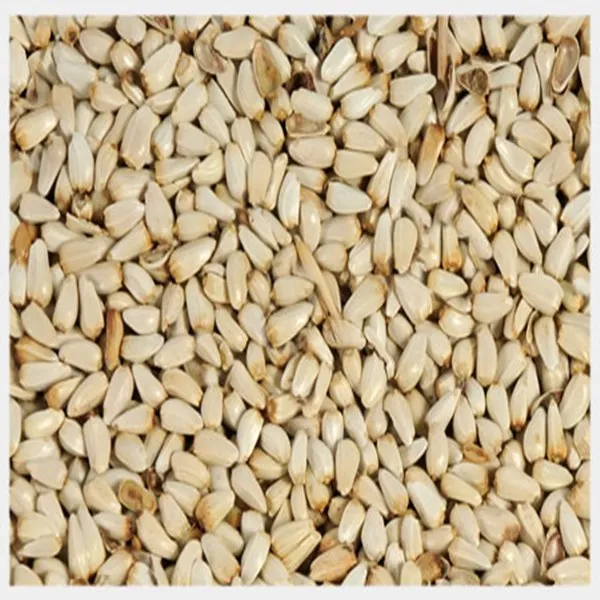
safflower seeds are often used as cooking oil, as well as in the production of margarine and salad dressings. Additionally, safflower seeds are also utilized in the manufacturing of bird feed due to their high protein content. They are rich in nutrients such as vitamin E, magnesium, and potassium, making them a healthy addition to one's diet.
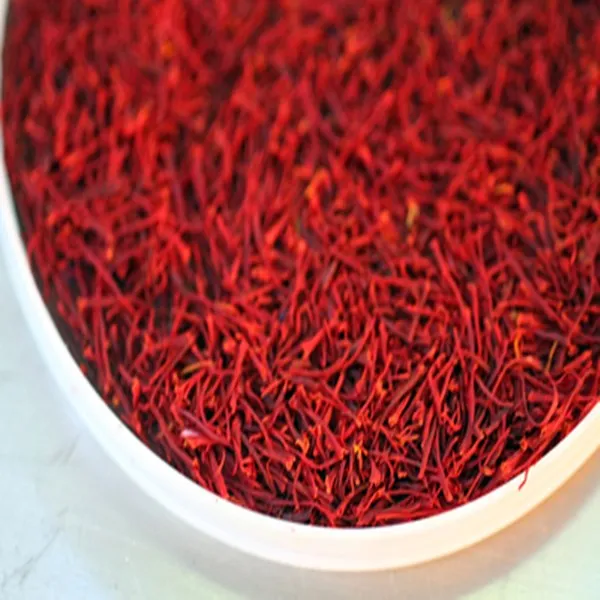
Saffron has been used for centuries in various cuisines, particularly in Mediterranean, Middle Eastern, and Indian dishes. It imparts a unique flavor and adds a beautiful golden hue to dishes. Apart from its culinary uses, saffron also has medicinal properties and is believed to have antioxidant, anti-inflammatory, and mood-enhancing effects. Due to its labor-intensive harvesting process, saffron is one of the most expensive spices in the world. It is often used in small quantities due to its potent flavor and high cost.
Sesame seeds come in different colors, including white, black, and brown. They are commonly used as a topping for bread, buns, and bagels, as well as in confectionery items like cookies and cakes. Sesame seeds are also a key ingredient in tahini, a paste used in Middle Eastern cuisine. Apart from their culinary uses, sesame seeds are known for their nutritional value, being rich in healthy fats, protein, fiber, vitamins, and minerals.
Sorghum comes in various varieties, with different colors and sizes, and is rich in nutrients like protein, fiber, and antioxidants. It plays a vital role in food security and sustainable agriculture, contributing to the global economy and enhancing food systems.
soybeans are a valuable source of oil, which is widely used in cooking and as an ingredient in many processed foods. Moreover, soybeans play a crucial role in animal feed production and are utilized in the manufacturing of biodiesel. With their nutritional benefits and diverse applications, soybeans have become a staple crop globally.
Introducing the captivating blend of Spiced Camomile & Apple, a delightful infusion that tantalizes your senses with its enchanting aroma and exquisite taste.